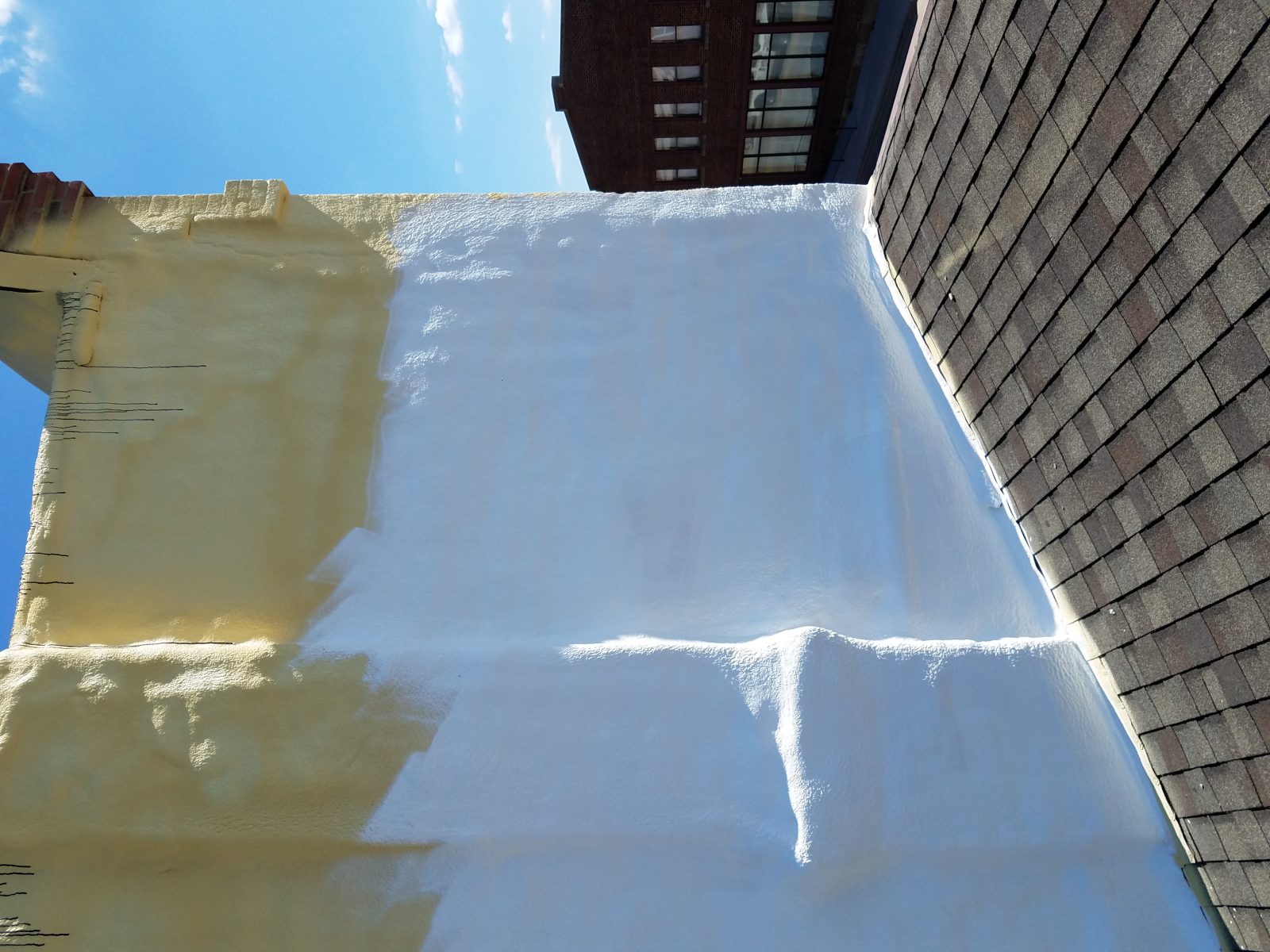
Rigs, Yield & Getting Started
The equipment, the math, and the practices — from people who supply crews that do this every day.
Get Equipment GuidanceSizing the Proportioner
The proportioner is the heart of the operation and the decision you will live with the longest. Everything else on the rig can be upgraded piecemeal; the machine sets your ceiling.
Start from the work, not the price. Residential cavity fill and crawl spaces do not demand the same output as a 40,000 sq ft metal building or a foam roof you need to close in before weather. Buy for the jobs you intend to chase in eighteen months, not the jobs you have this month.
Graco Reactor E-20 class machines suit smaller crews doing residential and light commercial work, where output demand is moderate and site power is often limited.
Graco Reactor E-30 class and larger step up output for commercial, agricultural, and roofing work — at the cost of substantially more power draw, which is what usually determines whether you can actually run one on a given site.
Power is the constraint people forget. Verify what a machine draws and what your generator or the site can actually deliver before you buy either one. Arriving at a job with a machine you cannot power is a lost day and a damaged relationship.
Hose length determines your reach from the rig and adds to the power and temperature-control burden. Longer is not automatically better — size it for the buildings you actually work in.
Building the Rig
The proportioner is one line item. The rig around it is what determines whether you can produce reliably in February.
- Enclosed trailer or box truck sized for drums, hose reel, compressor, generator, and a working aisle you can actually move in
- Drum heat and insulation — cold material is the leading cause of off-ratio foam, and drums that sat overnight in an unheated trailer are cold material
- Transfer pumps matched to the machine and the material
- Generator sized with headroom, or a documented plan for site power on every job
- Air compressor for the gun and for cleanup
- Spare parts kit — mix chambers, o-rings, screens, filters, and the specific parts that strand a crew when they fail
- PPE station — supplied-air system, suits, gloves, and a clean place to don and doff them
The spare parts kit is the one new contractors skip and regret. A mix chamber failure two hours from the shop with a customer standing there is an expensive education.

Board-Foot Math, Honestly
A board foot is one square foot at one inch thick. A wall that is 1,000 sq ft sprayed at 3" is 3,000 board feet. That part is simple.
The part that costs people money is yield — how many board feet a set of material actually produces on your jobs, with your equipment, in your climate.
Closed-cell is denser and yields far fewer board feet per set than open-cell, but it delivers more R-value per inch, so you spray less thickness. Open-cell yields dramatically more board feet per set, but you spray more inches and you trim a meaningful percentage of it onto the floor as waste.
Comparing the two on price per set is meaningless. Compare on installed cost per square foot at the R-value the job requires, including trim waste and labor. That number sometimes surprises people in both directions.
Track your own yield. Record board feet produced per set on every job for a season. That number, not the data sheet, is what you should be bidding from.
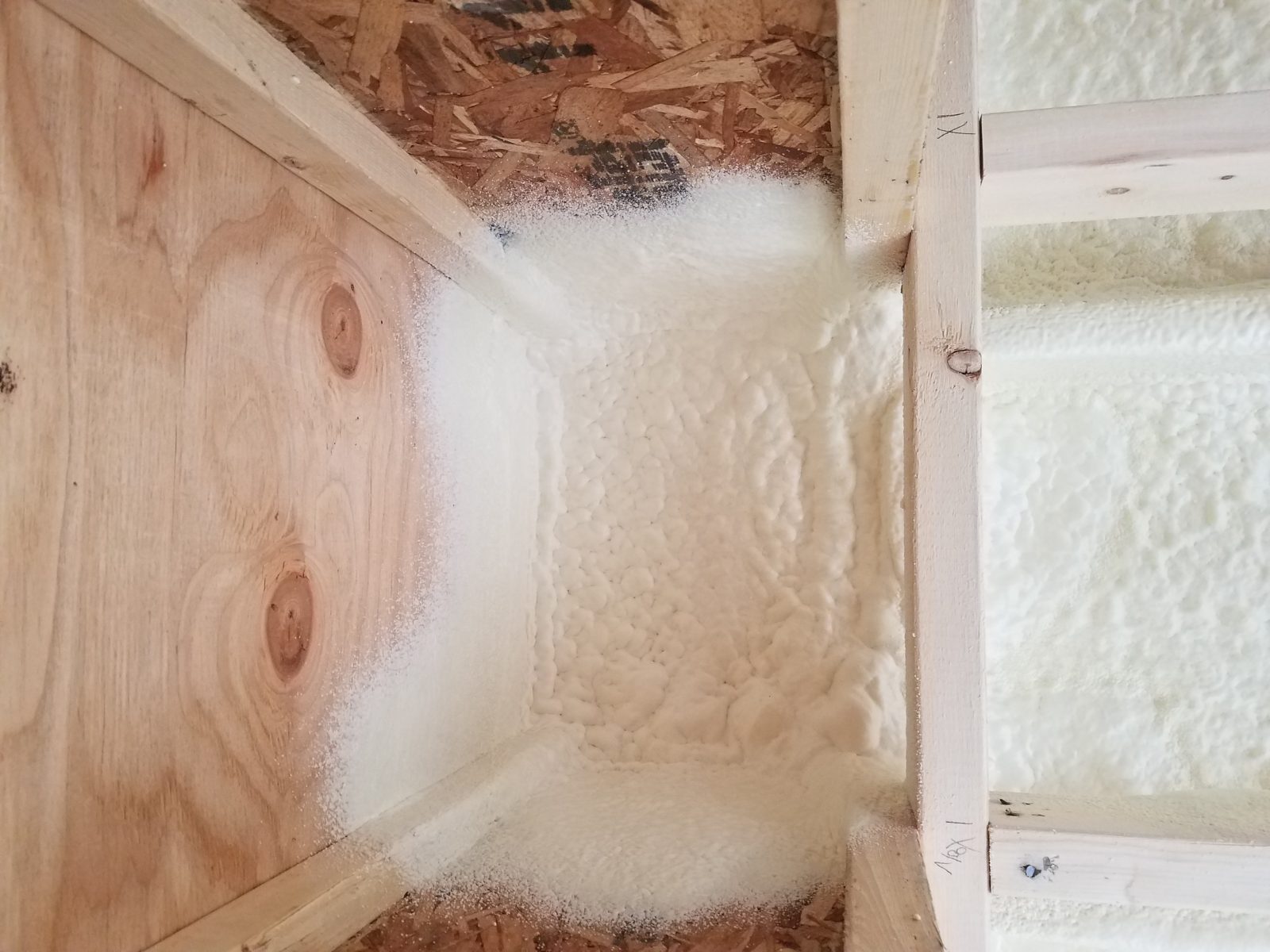
Startup Checklist
| Property | Value |
|---|---|
| Proportioner | Sized to intended work — E-20 class residential, E-30 class and up commercial |
| Heated hose | Length matched to typical building reach |
| Spray gun | Configured for the grades you will run |
| Transfer pumps | Matched to machine and material |
| Power | Generator sized with headroom, or verified site power |
| Drum heat | Required for cold-season production |
| Vehicle | Enclosed trailer or box truck with heat |
| Respiratory protection | Supplied-air system per crew member spraying |
| PPE | Full skin coverage, gloves, eye protection, suits |
| Spare parts | Mix chambers, o-rings, screens, filters, seals |
| Test equipment | Surface thermometer, depth gauges, moisture meter |
| Code knowledge | Thermal / ignition barrier requirements in your jurisdiction |
| Insurance | Confirm your carrier covers spray foam application |
| Yield tracking | Board feet per set recorded on every job |
The Safety Program Is Part of the Business Plan
Spray foam application involves isocyanate exposure. This is the genuine hazard in the trade, it is well documented, and sensitization can end a person's career in the industry permanently. It is not a paperwork problem.
Supplied-air respiratory protection for anyone spraying — not a cartridge respirator. Full skin coverage, because dermal exposure contributes to sensitization. Site control so other trades and occupants are not in the building during application and the ventilation window. Re-occupancy timing per the safety data sheet, communicated to the customer in writing before you start.
Two practical business points that follow from this:
Bid it in. PPE, ventilation, and re-occupancy delay are real costs. Crews that provide them but forgot to price them are quietly losing money on every job.
Confirm your insurance. Not every general liability policy contemplates spray foam application. Find out before you need to find out.
Read the safety data sheet for every product you spray and follow it. We will send it with any quote and we would rather answer questions about it than not.
Adding Coatings to a Foam Business
This is the highest-return move available to most established foam contractors, and it is under-exploited because insulation crews and roofing crews think of themselves as different trades.
They are not, mechanically. A plural-component proportioner that sprays closed-cell foam is the same class of machine that sprays polyurea. The hose, the PPE, the logistics, and the crew skills all transfer.
Foam roofing is the obvious pairing. Roofing-grade foam corrects drainage and adds insulation; OR-80SLM Silver Lining Membrane goes over it as a seamless polyurea waterproofing layer. One crew, one mobilization, and a job value well above cavity-fill insulation work.
It also fills the calendar. Residential insulation follows construction cycles. Commercial and agricultural roof work follows a different one. A crew that can do both is idle less.
Because Oak Ridge manufactures both the foam and the membrane, the assembly is tested as one system and there is one technical contact when a question comes up on a roof.
Talk Through Your Setup Before You Buy
Tell us the work you want to chase and what equipment you have or are considering. We will give you an honest read, including when the answer is "not that machine."
Get Equipment GuidanceTalk to Us About Your Rig
Tell us about your project and we will follow up with product details, technical data sheets, and pricing.