Applications
Where the work is, what each job type demands, and which ones actually pay.
Metal Buildings & Pole Barns
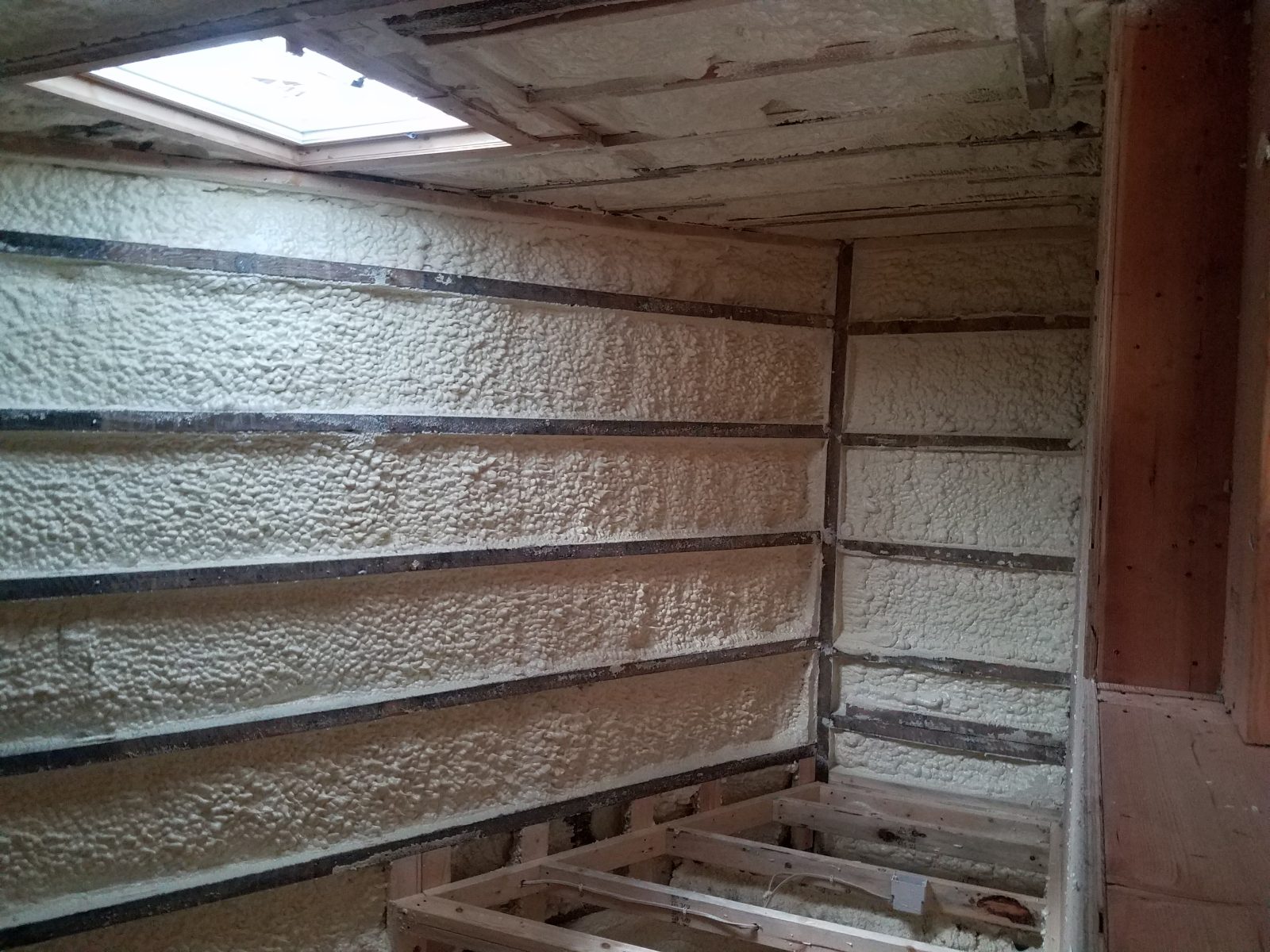
For most rural and semi-rural crews this is the bread-and-butter job, and it is the one where the value is easiest to explain. The owner already knows the building sweats and that the vinyl-faced batt hanging off the purlins has sagged, torn, and become nesting material.
Jobsite reality: open volume, good access, and few obstructions, which means high production per crew hour. Watch the lift thickness on the underside of a roof deck, and plan your pass sequence so you are not spraying into your own overspray all afternoon.
The sales angle that closes these is condensation, not energy. Once there is no exposed cold steel there is nothing for moisture to condense on, and the building stops raining on its own contents.
Spec: closed-cell at 2–3" on the underside of roof panels and walls, continuous over purlins and girts; verify thermal or ignition barrier requirement for the occupancy classification.
Crawl Spaces & Rim Joists
The best-margin small job in residential foam, and one most homeowners have never been offered.
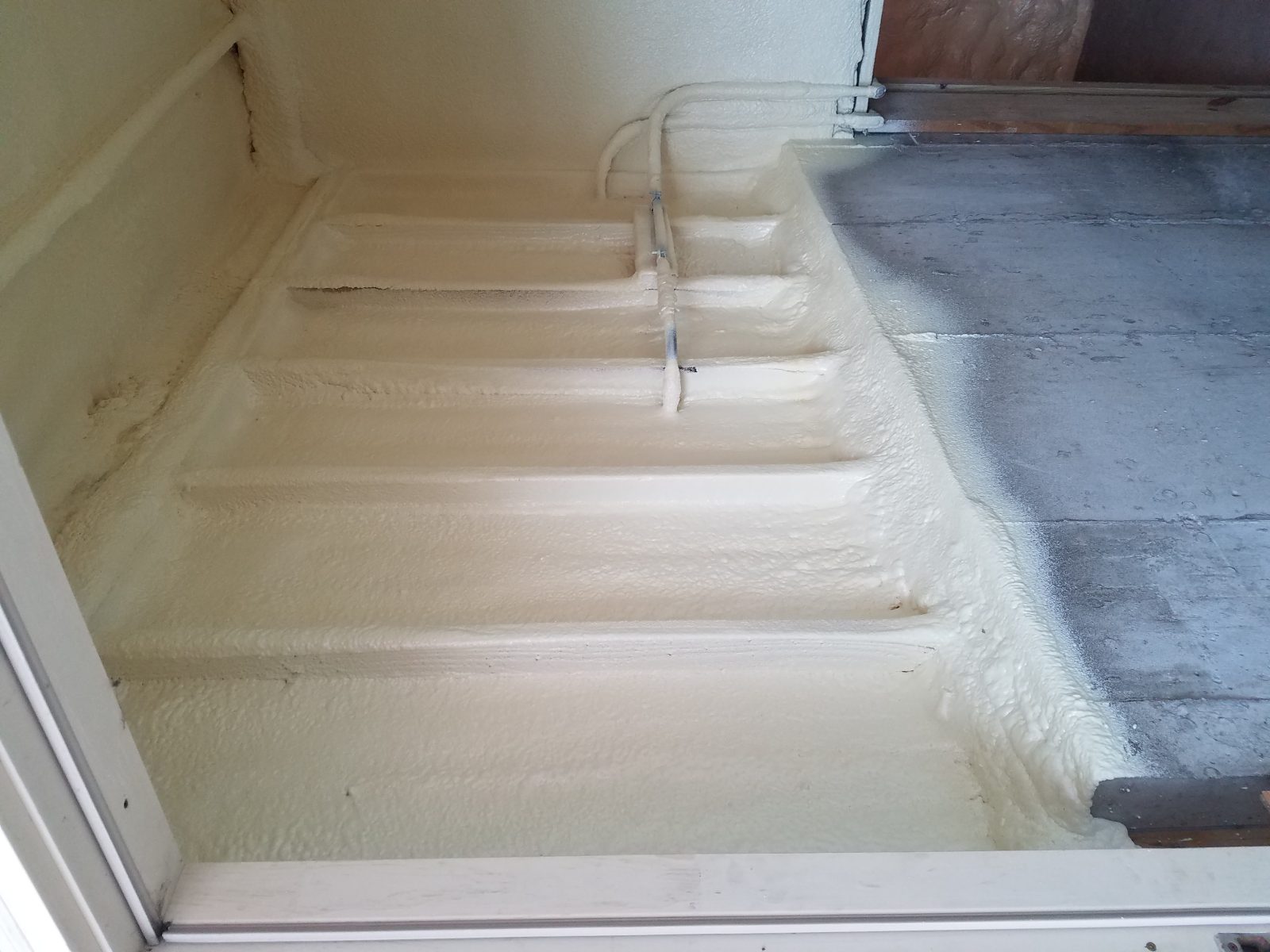
A vented crawl space in a humid climate pumps moist air into the floor system continuously — which is why the floors are cold, the HVAC runs constantly, and there is a musty smell nobody can locate. Sealing and insulating the perimeter walls with closed-cell converts it to semi-conditioned space and stops the cycle.
Jobsite reality: miserable access, tight quarters, and a hose drag that will test your patience. Price it accordingly — this is a labor-intensive job with modest material volume, which is exactly backwards from how most crews estimate.
Rim joists are the fast version: high leakage area, small material quantity, quick to complete, and easy to add onto another job in the same house.
Spec: closed-cell at 2–3" on crawl space perimeter walls and rim joists; address bulk water and drainage before foaming; confirm ignition barrier requirement for the space.
New Construction & Retrofit Residential
Volume work with a builder relationship behind it. The advantage is scheduling — a builder who trusts you will hand you a subdivision. The disadvantage is that you are one trade in a sequence and everyone else's delays become yours.
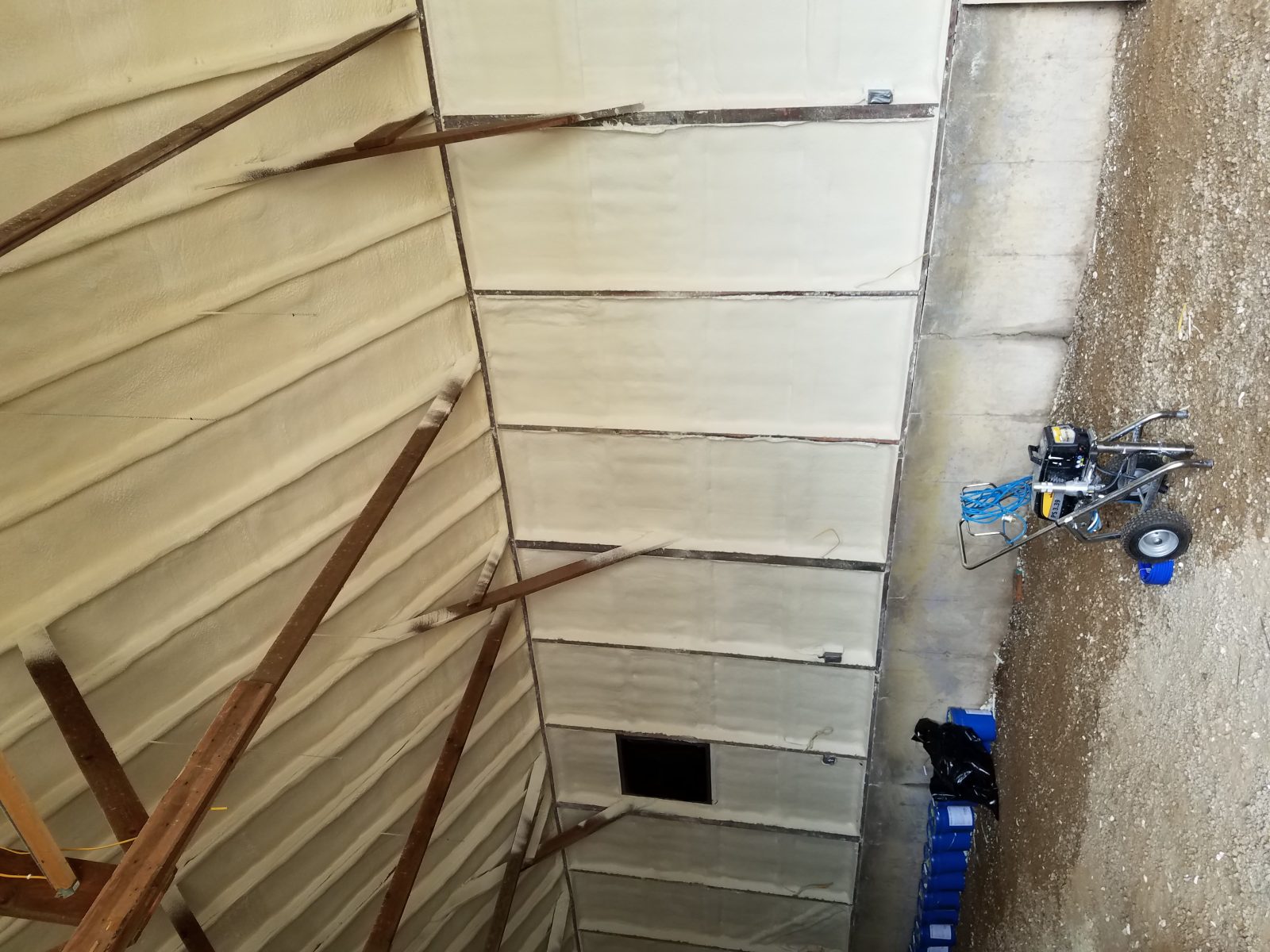
Open-cell is common here for interior cavity fill and sound walls where budget drives the decision; closed-cell goes anywhere moisture or thermal performance requires it. On unvented rooflines, get the assembly and the climate zone right before you spray — this is the residential detail most likely to become a problem later.
Retrofit is a different business entirely: one house at a time, sold to a homeowner rather than a builder, higher price per square foot, and far more site protection and cleanup work than new construction.
Spec: open-cell full cavity fill trimmed flush for interior and sound walls; closed-cell at 2–3" where moisture or thermal performance requires it; unvented roofline assemblies confirmed against climate zone and code before spraying.
Agricultural Storage & Livestock Buildings
The market most insulation contractors under-serve, and the one with the shortest decision cycle. A grower with a crop in storage does not deliberate for three weeks — they need it fixed before the weather turns.
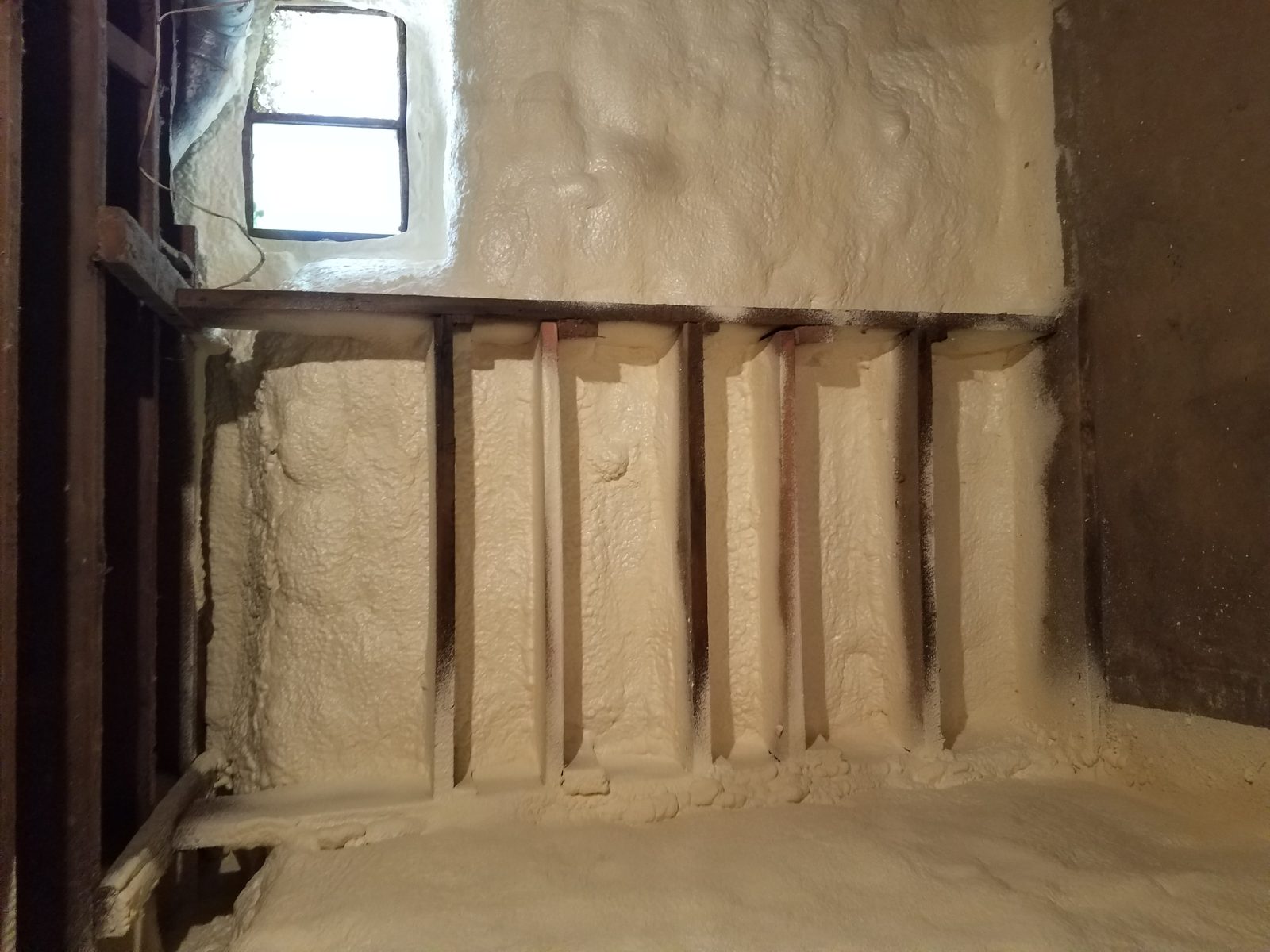
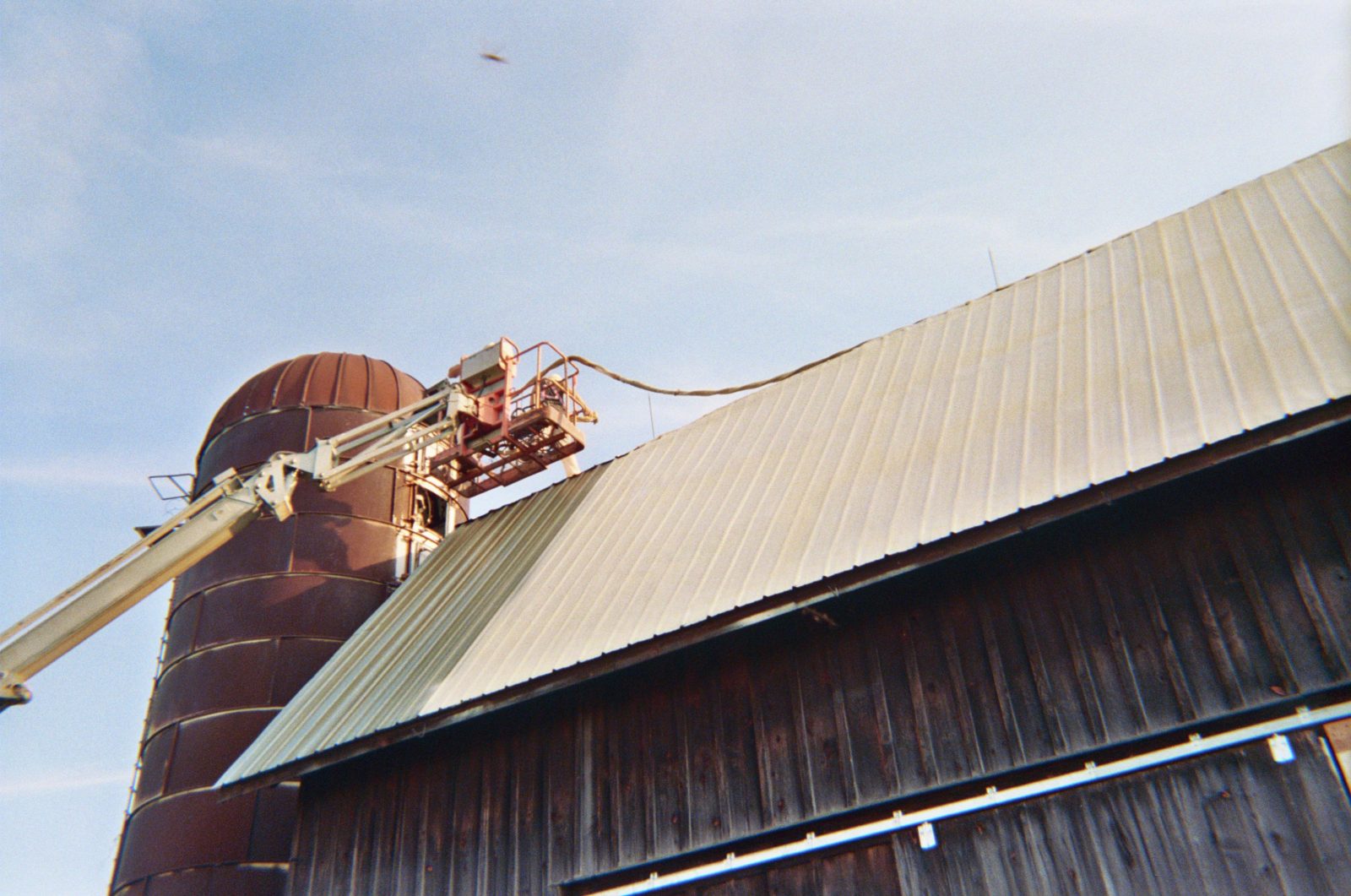
Potato and onion storage, grain buildings, poultry houses, dairy parlors, and cold storage all have the same fundamental problem: a metal shell over a warm, humid space, condensing continuously onto product that loses value when it gets wet.
These jobs are large, the access is good, and the buildings are usually empty during a defined window. The catch is that the window is not negotiable, so schedule reliability matters more here than price.
Spec: closed-cell at 3"+ on roof deck and walls depending on climate zone and target holding temperature; seal continuously at eaves, doors, and penetrations; coat exposed foam where wash-down or contact is expected.
Foam Roofing — the Highest-Value Job a Rig Can Do
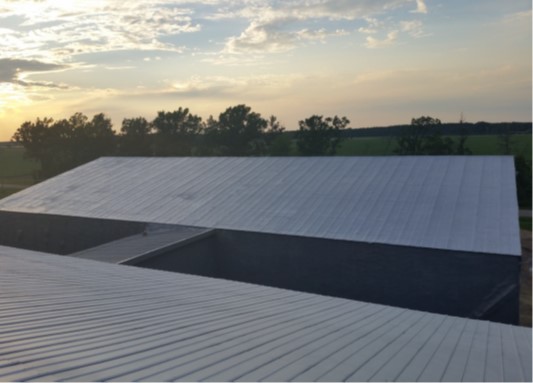
If you already own a proportioner and you are not doing roofing, this is money sitting on the table.
A low-slope commercial roof that ponds and leaks at every penetration is a tear-off in the owner's mind and a capital expense they keep deferring. Roofing-grade foam sprayed over the prepared deck fills the low spots, tapers to the drains, and creates a fully adhered monolithic substrate — then OR-80SLM polyurea membrane goes over it as a seamless waterproofing layer.
Same machine, same hose, same PPE, same crew. Different price per square foot entirely.
The learning curve is roof-specific rather than foam-specific: substrate assessment, drainage design, detail work at curbs and terminations, and weather judgment. We will work through it with you.
Spec: prepare and dry the deck · roofing-grade closed-cell foam at 1–1.5" nominal, tapered for positive drainage · OR-80SLM at 40–60 mil DFT, same day where conditions allow. Never leave foam uncoated.
Other Work That Keeps a Rig Busy
- Shops, garages, and outbuildings — the most common owner-requested job in rural markets
- Cold storage and walk-in coolers — continuous insulation with no thermal bridging
- Shipping container conversions — condensation control is the whole job
- Refrigerated trailers and truck bodies — repair and re-insulation
- Tanks, vessels, and process piping — insulate, then coat for UV and mechanical protection
- Grain bins and drying structures — moisture and temperature management
- Municipal and fleet storage buildings — condensation off vehicles brought in wet
- Void fill and flotation — docks, pontoons, and structural voids
- Sound walls in commercial fit-outs — open-cell, often on a fast schedule
Chasing a Job You Have Not Done Before?
Describe the building and the schedule. We will tell you what to spray, what to watch for, and what usually goes wrong on that type of job.
Ask an ApplicatorTalk to Us About Your Rig
Tell us about your project and we will follow up with product details, technical data sheets, and pricing.